
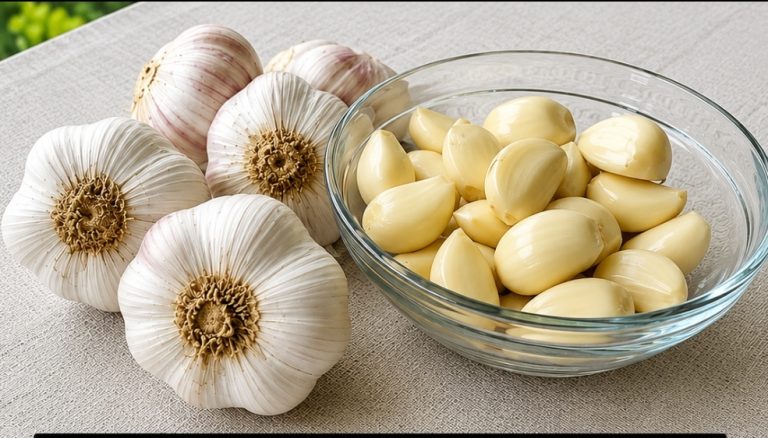
For thousands of years, garlic has been valued not only as a flavorful ingredient in cooking but also as one of the most respected natural foods in traditional wellness practices. Ancient civilizations used garlic for strength, immunity, circulation, and overall vitality long before modern science began studying its compounds.
Today, researchers continue exploring garlic’s impressive nutritional profile and its potential role in supporting cardiovascular health, brain function, immunity, and healthy aging. While garlic is not a miracle cure, its unique combination of antioxidants and sulfur-containing compounds has made it one of the most researched functional foods in the world.
In this article, you’ll discover why garlic is often called a natural superfood, how it may support different aspects of health, and the best ways to include it in your daily diet.
What Makes Garlic So Powerful?
Garlic belongs to the Allium family, which also includes onions, leeks, and shallots.
Its health-supporting properties come largely from sulfur compounds, especially a substance called allicin. Allicin forms when garlic is chopped, crushed, or chewed, triggering a natural chemical reaction within the plant. Researchers believe many of garlic’s potential health benefits are linked to this compound.
Garlic also contains:
- Antioxidants
- Selenium
- Vitamin C
- Manganese
- Flavonoids
- Organosulfur compounds
These nutrients contribute to garlic’s reputation as one of nature’s most beneficial foods.
Why Garlic Is Often Linked to Heart Health
Heart disease remains one of the leading health concerns worldwide, which is why foods that support cardiovascular wellness continue to receive attention.
Research suggests that garlic may help support heart health through several mechanisms.
Supporting Healthy Blood Pressure
Some studies indicate that garlic compounds may help relax blood vessels and support healthy circulation.
Improved blood flow may contribute to healthier cardiovascular function over time when combined with a balanced lifestyle.
Helping Maintain Healthy Cholesterol Levels
Several scientific reviews have explored garlic’s potential effects on cholesterol management.
Researchers have observed that regular garlic consumption may help support healthy LDL cholesterol levels while contributing to overall lipid balance.
💓 Maintaining healthy cholesterol levels is one of the key components of long-term cardiovascular wellness.
Supporting Healthy Blood Flow
Garlic contains compounds that may help support circulation and vascular function.
Healthy circulation ensures oxygen and nutrients reach tissues throughout the body, including the brain, muscles, and organs.
Garlic and Brain Function
The brain is highly sensitive to oxidative stress and inflammation.
As people age, protecting cognitive health becomes increasingly important.
Researchers continue studying how antioxidant-rich foods may help support brain wellness and healthy aging.
Rich in Antioxidants
Garlic contains antioxidants that help neutralize free radicals.
Free radicals are unstable molecules generated by:
- Pollution
- Stress
- Smoking
- Poor diet
- Environmental toxins
Excessive oxidative stress may contribute to age-related changes throughout the body, including the brain.
Supporting Healthy Circulation to the Brain
The brain depends on healthy blood flow to receive oxygen and nutrients.
Because garlic may support cardiovascular function and circulation, some experts believe it could indirectly contribute to cognitive wellness as part of a healthy lifestyle.
🌿 Good circulation is one of the foundations of maintaining mental clarity and cognitive performance.
Garlic as a Natural Immune Support Food
One reason garlic has remained popular for centuries is its reputation for supporting the immune system.
Scientific studies have examined garlic’s natural compounds for their antimicrobial and antioxidant properties.
Researchers have found that garlic contains substances that may help combat certain bacteria and microorganisms under laboratory conditions.
Because of this, garlic is often included in wellness-focused diets designed to support overall immune health.
The Antioxidant Power of Garlic
Garlic’s antioxidant activity is one of its most valuable characteristics.
Antioxidants help protect cells from oxidative damage and support healthy aging.
Some studies suggest garlic compounds may help:
- Reduce oxidative stress
- Protect cells
- Support healthy blood vessels
- Promote overall wellness
These benefits contribute to garlic’s reputation as a functional food rather than simply a cooking ingredient.
✨ Including antioxidant-rich foods regularly may help support long-term health and vitality.
Garlic and Healthy Aging
As interest in longevity grows, many people are searching for foods that may support healthy aging naturally.
Garlic is frequently included in discussions about longevity because of its antioxidant profile and potential cardiovascular benefits.
While no food can stop aging, maintaining a nutrient-rich diet may help support the body’s natural protective mechanisms.
Raw Garlic vs Cooked Garlic
One of the most common questions is whether raw garlic is better than cooked garlic.
Raw Garlic
Raw garlic contains active allicin, which forms when garlic is crushed or chopped.
Many health enthusiasts prefer consuming garlic raw because some beneficial compounds remain more concentrated.
Cooked Garlic
Cooking garlic can reduce certain active compounds but still provides nutritional benefits.
Cooked garlic remains a healthy ingredient and can easily be incorporated into daily meals.
A Helpful Preparation Tip
Many experts recommend crushing or chopping garlic and allowing it to rest for several minutes before cooking.
This process helps maximize allicin formation before heat exposure.
Simple Ways to Add More Garlic to Your Diet
Adding garlic to meals is easier than many people realize.
Consider these ideas:
Garlic and Olive Oil
Mix freshly crushed garlic with olive oil and use it as a salad dressing.
Add It to Soups
Garlic pairs well with vegetable soups, chicken broth, and bean-based recipes.
Garlic with Roasted Vegetables
Roasting vegetables with garlic creates a rich flavor while increasing vegetable intake.
Fresh Garlic in Salads
Finely chopped raw garlic can be added to salads and fresh vegetable dishes.
🥗 Combining garlic with vegetables creates a nutrient-rich meal that supports overall wellness.
Potential Precautions
Although garlic is generally safe as a food, moderation is important.
Some individuals may experience:
- Digestive discomfort
- Heartburn
- Strong breath odor
- Stomach sensitivity
People taking blood-thinning medications should consult a healthcare professional before consuming large amounts of garlic due to its mild anticoagulant properties.
Other Foods That Work Well with Garlic
Garlic can be combined with other nutrient-rich foods for a balanced diet.
Examples include:
- Tomatoes
- Spinach
- Broccoli
- Salmon
- Olive oil
- Avocados
- Legumes
- Whole grains
Together, these foods provide fiber, antioxidants, vitamins, minerals, and healthy fats that support overall health.
Healthy Lifestyle Habits Beyond Nutrition
While garlic can be a valuable addition to a wellness-focused diet, overall lifestyle remains essential.
Exercise Regularly
Physical activity supports cardiovascular fitness and healthy circulation.
Stay Hydrated
Water supports nearly every system in the body.
Get Enough Sleep
Quality sleep is critical for recovery, cognitive performance, and overall wellness.
Manage Stress
Chronic stress can affect both physical and mental health.
🧘 Relaxation techniques such as meditation, walking, and deep breathing may help support emotional balance and long-term well-being.
Frequently Asked Questions
How much garlic should I eat daily?
Many nutrition experts suggest moderate consumption, often around one clove per day as part of a balanced diet.
Is raw garlic healthier than cooked garlic?
Raw garlic may preserve more active compounds, but both forms can contribute nutritional benefits.
Can garlic replace medication?
No. Garlic should be viewed as a nutritious food rather than a substitute for medical treatment.
Is garlic good for immunity?
Garlic contains compounds associated with immune-supporting properties and antioxidant activity.
Final Thoughts
Garlic has earned its reputation as one of nature’s most powerful foods thanks to its rich concentration of antioxidants, sulfur compounds, vitamins, and plant nutrients. From supporting heart health and circulation to contributing to cognitive wellness and immune function, garlic continues to be valued across cultures and generations.
🌟 While no single food can guarantee perfect health, incorporating garlic into a balanced diet alongside regular exercise, proper sleep, hydration, and stress management may help support long-term wellness, vitality, and healthy aging naturally.